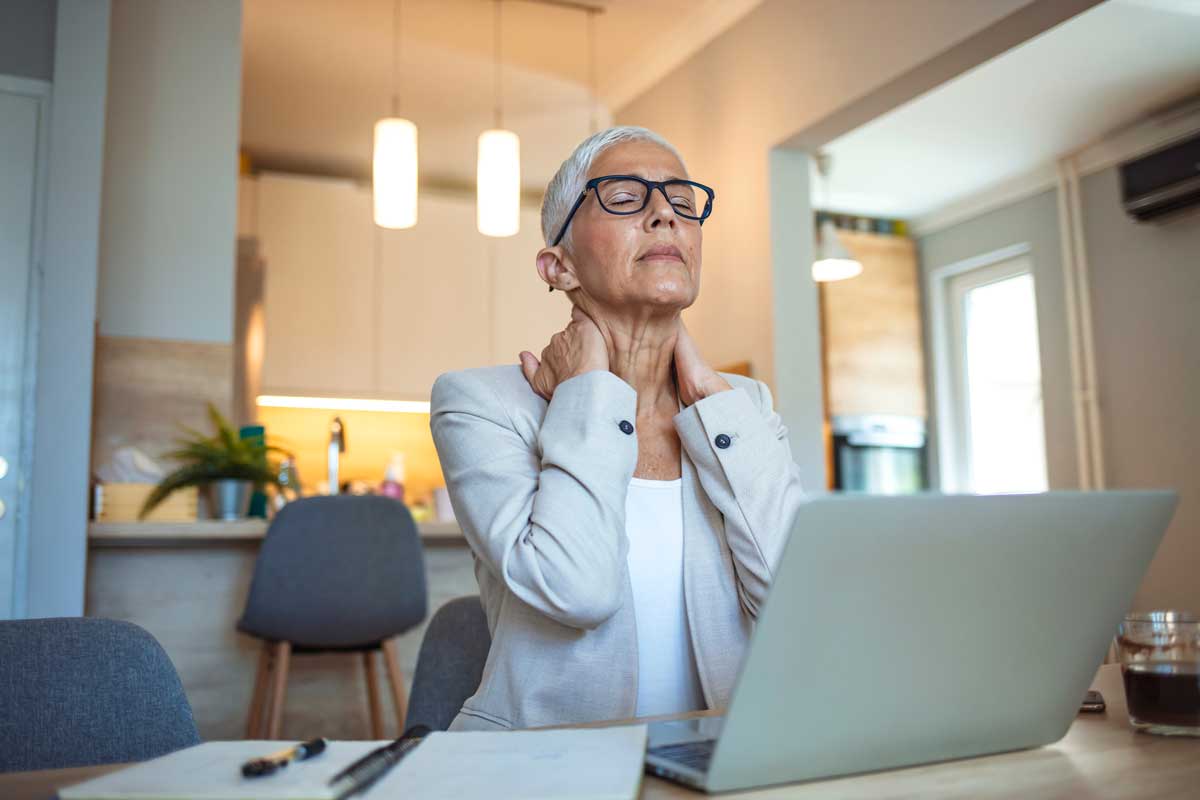
Summary: Many women experience worsening physical pain during the perimenopausal transition. This article will explain the connection between musculoskeletal pain and perimenopause, what contributes to pain during this time in a woman’s life, and how hormone therapy can help.
Did you know research has shown that more than seven in 10 women experience musculoskeletal symptoms during the perimenopausal transition? One-quarter experience severe symptoms that can be disabling.
However, our patients typically don’t complain about musculoskeletal pain. Most aren’t aware that changes during the perimenopausal transition can contribute to these types of pain, or that hormone therapy can help.
Patients tend to focus on other common symptoms of perimenopause, such as hot flashes, night sweats, irregular periods, sleep problems, mood changes, brain fog, pain during intercourse, and reduced sex drive.
Interestingly, when they return for a follow-up visit after starting hormone therapy for other symptoms, they often report that their lower back doesn’t hurt as much, or their frozen shoulder isn’t frozen anymore.
Let’s discuss the types of musculoskeletal pain experienced during perimenopause, why pain may worsen during this time, and how hormone therapy can help.
What Types of Pain Can Occur and Worsen During Perimenopause, and Why?
Women can experience many different types of pain during perimenopause, including but not limited to:
- Joint pain
- Muscle aches and stiffness
- Lower back pain
- Bone pain (osteopenia, osteoporosis)
- Connective tissue pain (ligament, tendon, cartilage)
- Rheumatoid arthritis
- Fibromyalgia
Pain can be caused by fluctuating and declining levels of estrogen, which helps the human body maintain the health of muscles, joints, and bones. Estrogen can also help reduce inflammation.
When estrogen drops to post-menopausal levels, aches and pains are very common and often result from loss of muscle mass, loss of bone density, or the breakdown of cartilage.
How Hormone Therapy Can Help Reduce Pain During the Perimenopausal Transition
Like many symptoms experienced during the perimenopausal transition, physical pain can worsen for other reasons, like aging, general wear and tear on the body, poor diet, and lack of exercise. We generally recommend that patients see their primary care provider or a rheumatologist to evaluate other contributing factors to pain.
That said, hormone testing performed on the appropriate days to achieve reliable results will tell you if estrogen levels are low, which could be a root cause of painful conditions.
Hormone therapy with bioidentical hormones can be used to restore hormonal balance and, more specifically, increase estrogen levels. In addition to supporting muscle, joint, and bone health and reducing inflammation, estrogen can lead to better sleep without nights sweats and hot flashes, which allows for more muscle relaxation and healing.
Hormone therapy can also help rebuild bone mass and slow the progression of conditions like osteoporosis without the need for invasive bone biopsies.
Conclusion
There are many causes of musculoskeletal pain as women age. Perimenopause could be one of them. These can be serious symptoms that affect your quality of life.
If you’d like to discuss any symptoms you may be experiencing during the perimenopausal transition and learn more about hormone therapy as a treatment option, schedule an appointment with Chapel Hill Hormone Therapy today!